
What Often Goes Wrong When Building in Indonesia (and How to Avoid It)
2/11/20263 min read
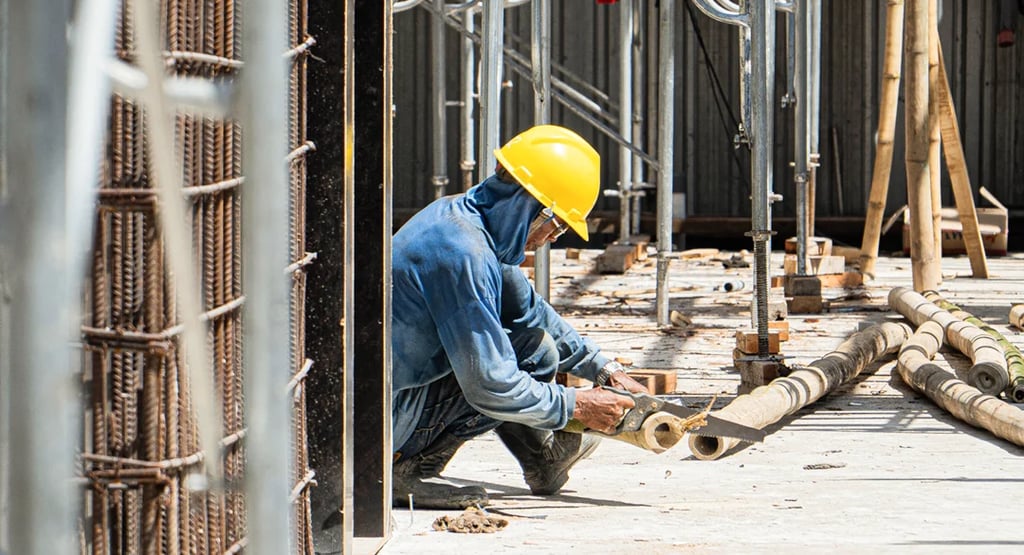
Building in Indonesia can be an incredible opportunity. The landscapes are world-class, labour costs can be attractive, and demand for quality villas and apartments continues to grow across hotspots like Lombok and Bali.
But it’s also a market where things can go wrong quickly if you don’t understand how projects are actually delivered on the ground.
At Goss Group, we’ve seen firsthand why some developments struggle, and why others succeed. Below are the most common mistakes investors and developers make when building in Indonesia, and how to avoid them.
1. Rushing Contractors (Speed Over Structure)
One of the biggest traps is pushing contractors too hard, too fast. In Indonesia, construction is still highly relationship-driven and process-based. When timelines are forced without proper planning, the result is often:
Corners being cut
Poor sequencing of works
Structural shortcuts that aren’t obvious until years later
The fix:
Lock in realistic timelines
Use staged milestones with quality checks
Work with builders who are properly resourced, not just available
Fast builds look good on paper, but controlled builds last.
2. Underestimating the Real Budget
Many first-time builders budget for construction only, forgetting the true cost stack in Indonesia. Commonly missed or underestimated costs include:
Site preparation and earthworks
Access roads and retaining walls
Drainage and water management
Power, water, and internet connections
Design changes mid-build
Local compliance and permit delays
The fix:
Build in contingency (often 10–20%)
Budget for infrastructure, not just the villa or building
Work with a team that understands local pricing fluctuations
If the budget is too tight, quality usually pays the price.
3. Ignoring Access and Drainage (A Costly Mistake)
This is one of the most common, and expensive, oversights. Making this mistake doesn't just turn your build into a nightmare. It can have long term ramifications for your ongoing profitability, or your buyers. Indonesia’s wet season is no joke. Sites that look perfect in dry season can turn into:
Flood zones
Mud traps
Unusable access points
Poor access also affects:
Construction logistics
Emergency access
Long-term rental and resale appeal
The fix:
Assess access and drainage before buying land
Engineer water flow, not just buildings
Invest early in proper roads and storm water systems
Water will always win, unless you plan for it.
4. Designing Without the Climate in Mind
Many projects fail because they copy overseas designs that simply don’t suit the tropics. Common issues include:
Poor ventilation
Overheating interiors
Mould and moisture problems
High ongoing maintenance costs
The fix:
Design for airflow, shade, and cross-ventilation
Use materials suited to heat, humidity, and salt air
Think about how the building lives, not just how it looks
Good tropical design reduces operating costs and improves guest experience.
5. Poor Build Quality Due to Skill Misalignment
Not all builders are created equal. A contractor who builds basic homes may struggle with:
Architectural villas
Structural detailing
Waterproofing
Finishes expected by international buyers
This often results in:
Uneven finishes
Cracking and leaks
Shorter building lifespan
The fix:
Match builder experience to project complexity
Inspect previous work in person
Use independent quality control, not blind trust
The cheapest builder is rarely the most cost-effective.
6. Dodgy Contractors and Weak Contracts
Unfortunately, especially in Lombok, the industry still has its share of:
Unlicensed builders
Cash-only operators
Contracts with no enforceable protections
Red flags include:
No clear scope of works
Vague timelines
Large upfront payments
Resistance to reporting or transparency
The fix:
Use properly structured contracts
Stage payments against verified progress
Work with developers and project managers who are locally established
Due diligence isn’t optional, it’s essential.
7. Lack of On-Ground Oversight
Remote builds without strong local management are high-risk. Without daily or weekly oversight, issues can compound quickly:
Materials swapped without approval
Design deviations
Quality slipping unnoticed
The fix:
Have trusted on-ground project management
Manage the build yourself, on the ground
Document progress consistently
Treat visibility as non-negotiable
If you can’t see it, you can’t control it.
Final Thoughts: Build Smart, Not Just Cheap
Indonesia offers enormous opportunity, but success comes from local knowledge, realistic planning, and disciplined execution. At Goss Group, we focus on developments that are:
Designed for the tropical climate
Built by the right teams, not the fastest ones
Supported by proper infrastructure and long-term thinking
When you build smart from day one, you don’t just protect your investment, you enhance it.
If you’re considering building or investing in Indonesia and want to avoid the common pitfalls, talk to a team that’s already navigated them.
© Goss Group 2026. All rights reserved | Privacy Policy


Visit Us
Jln. Raya Kuta, Pujut Praya
Lombok Tengah, NTD 83573
Talk to Us
+62 811 3900 7500
hello@gossgroup.co